Nowhere is evolution, in all its forms, more apparent than in Africa. But it is not just flora and fauna that have evolved over millennia; over the last few decades the continent’s tourist industry has evolved too. From Edwardian game safaris for the rich and privileged to mass market holidays, opportunities for travellers have undergone something of a transformation. Demand for individually tailored itineraries for discerning clients, away from the tourist hotspots, however, remains high. So what are the trends emerging in this sector and what’s next for Africa?
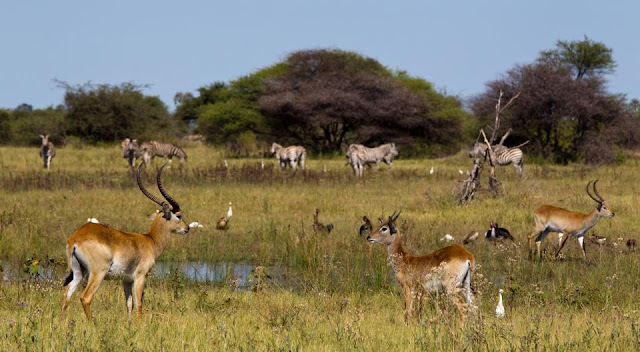 |
| The pristine Okavango Delta wilderness, Bostwana |
One of the major developments has been in eco-tourism. With preservation and protection of native habitats at its heart, eco-tourism is a partnership between governments, operators and the indigenous populations. One of the very best examples of this is
Botswana where authorities retain a degree of control, monitoring the environmental impact of camps and operations, advising on changes of sites if existing sites have adversely impacted the area in which they operate. Those who hold leases for the concessions are willing partners in the drive to sustainable eco-tourism because it is Botswana’s stability and green credentials that help to make it such a desirable tourist destination.
Another example of eco-tourism at its best is
Singita, where wildlife conservation, “touching the earth lightly”, anti-poaching and the re-introduction of black rhino projects are key to driving their ethical conservation ethos into the twenty-first century.
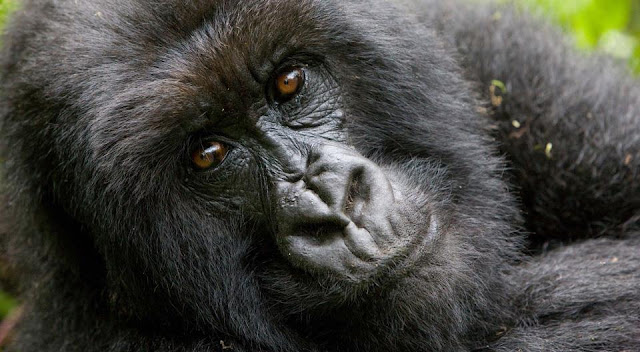 |
| Rwanda’s mountain gorillas, from Sabyinyo Silverback Lodge |
Elsewhere, as many of the traditional safari destinations have become more popular there has also been a trend amongst experienced African adventurers towards exploring lesser-known countries to see untouched wildlife in unspoilt locations.
Rwanda is a comparatively new destination and gorilla-watching safaris have been developed in co-operation with local populations who now benefit from their conservation which deters poaching.
Madagascar is another destination to watch out for, providing diverse beaches as well as unusual wildlife and interesting culture. In the 1980s I used to lead groups for the British Museum there but it became difficult to guarantee consistent standards. Thankfully new camps and lodges have emerged in recent years and we are excited to be returning there. I am visiting in 2016 for a refresher trip to ensure we can provide our guests with meticulously designed itineraries covering the highlights of this unique country.
Privately guided safaris have always been the very best way to explore and get the best from any trip. Not only do they bring a wealth of experience and local knowledge, they are able to ensure that every member of a group has his or her interests catered for, working with the individual operators on the ground to maximise opportunities to really experience select and unspoilt areas.
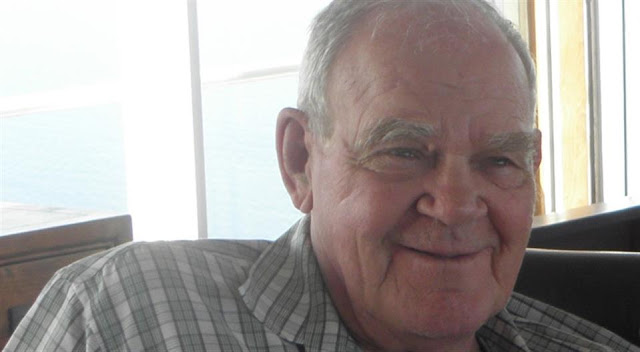 |
| Soren Lindstrom |
Many private guides learned their craft as hunting guides. One of our longest-standing relationships is with the legendary
Soren Lindstrom who started his career as a professional hunter but since 1989 has been working with us to guide photographic safaris across Africa. His interest is, however, in no way limited to big game. He continues to be a leading expert on birds, plants and flowers and his passion for all aspects of the natural world is infectious.
As time marches on, it has also been important to build working relationships with a newer generation of
guides. This has been done through contacts, regular visits and feedback from guests and Bushbuck is proud to work with the highest calibre guides across virtually every country in Southern and East Africa.
At Bushbuck, we know that time does not stand still and in order to ensure that our loyal clients are never disappointed, we continue to evolve our destinations and operators. The fact that many of our clients return year after year is testament to this, some returning for their 14th/15th safari with Bushbuck; as is the fact that many former young clients are now returning with their own families to experience the very best that Africa has to offer.


